Sarawak Chinese Food

Sarawak Chinese Food

Sarawak Food Culture & Traditions

Sarawak Chinese cuisine reflects a deep-rooted food culture, where meals are more than just sustenance.

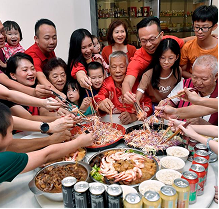
They symbolize family, heritage, and community. Traditional dishes like Kolo Mee, Sarawak Laksa, and Mee Sua are often enjoyed during gatherings, festivals, and special occasions.

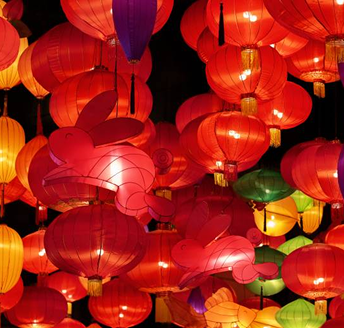
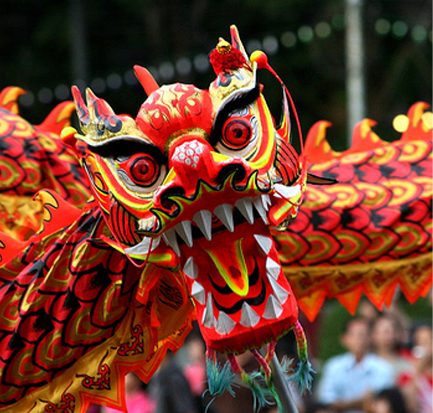
Festivals such as Chinese New Year and Mid-Autumn Festival feature symbolic foods, while ancestral offerings and tea ceremonies highlight respect for traditions.

Food remains a key part of cultural identity, passed down through generations.

How is Sarawak Chinese Food Different?

Unique Local Influences

Uses Sarawak ingredients like belacan and wild ferns.

Distinctive Dishes

Distinctive Dishes

Fusion of Cultures

Blends Chinese, indigenous, and Malay flavours.

Lighter & Balanced Flavors,

Less oily, with fresh, natural seasoning.

Introduction

Sarawak Chinese cuisine is a rich blend of traditional Chinese flavors with local Sarawakian influences.


Sarawak’s food scene is a vibrant mix of indigenous, Malay, and Chinese influences, creating unique flavors and dishes found nowhere else. From hearty laksa to flavorful jungle produce, every dish tells a story of tradition and culture.


While Sarawak’s cuisine is diverse, this website focuses specifically on the rich and delicious world of Sarawak Chinese food.

History

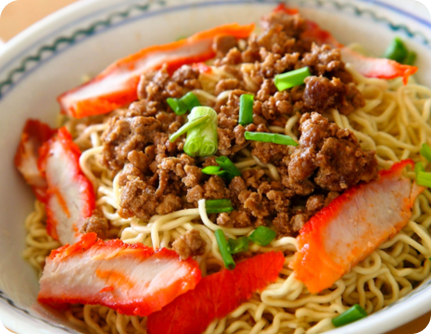
Kolo Mee

A Sarawakian staple, brought by Hakka settlers and known for its springy noodles and fragrant shallot oil.

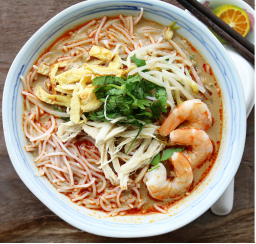
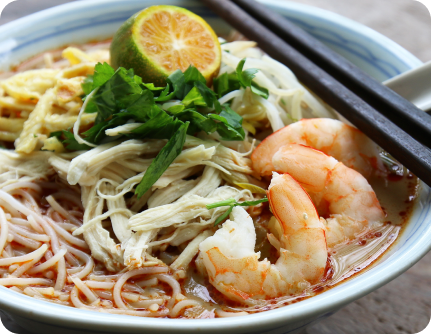
Sarawak Laksa

A unique fusion of Chinese and Malay flavors, featuring a rich, spicy broth with belacan and coconut milk.

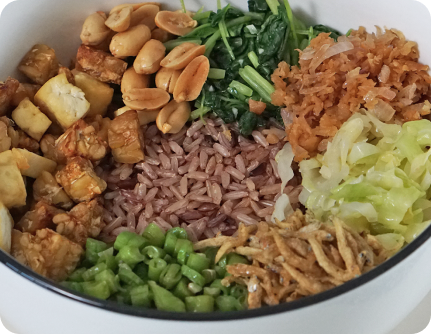
Lei Cha

Introduced by Hakka immigrants, this herbal tea rice dish is packed with nutritious greens and tea soup.

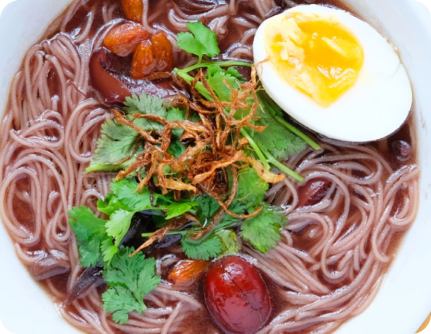
Mee Sua

A Foochow longevity noodle, often served in chicken or rice wine broth, symbolizing prosperity and good health.